
Don't Sugarcoat It: How Diabetes Affects Your Eyes
Diabetes is a master of surprises—it doesn’t just mess with your blood sugar, it can sneak up on your eyes too! No matter if you’re Team Type 1 or Type 2, high blood sugar can secretly chip away at your eye health and may lead to some pretty serious vision changes. Here’s the kicker: some diabetes-related eye issues can show up with zero warning signs. That’s why regular eye exams aren’t just smart—they’re your secret weapon for keeping your vision sharp and your future bright.
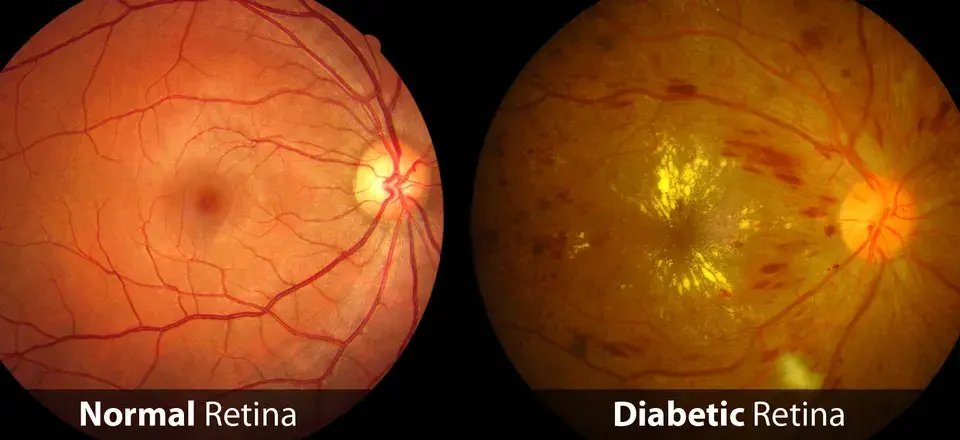
Let’s get a little science-y! When blood sugar runs high for too long, it can damage the tiny blood vessels throughout your body—including those in your eyes. These little guys are crucial for supplying oxygen and nutrients. They keep your retina (the light-sensitive magic screen at the back of your eye) healthy. If diabetes damages these vessels, they can weaken, leak, or become blocked—which can lead to blurry vision, dark spots, or more serious eye problems down the road.

Meet diabetic retinopathy: the sneaky troublemaker. This eye condition loves to fly under the radar at first, with no clear symptoms. But as it worsens, damaged blood vessels can leak blood or fluid into your retina, causing blurry vision, floaters, dark spots—sometimes even permanent vision loss. In the worst cases, weird new blood vessels try to grow, making things even messier with bleeding and scar tissue. (Not the kind of plot twist anyone wants!)

Another possible complication is diabetic macular edema (DME). Think of your macula as your eyes’ high-def center—it’s how you read, drive, and recognize faces. If fluid leaks into the macula, it swells up like a sponge, turning your sharpest vision fuzzy or warped. Without routine monitoring and prompt treatment, DME can greatly affect your day-to-day life.
Diabetes can also increase your risk of other eye conditions, including cataracts and glaucoma. Cataracts are essentially a clouding of the eye's natural lens, which leads to blurred vision, glare, and poor vision overall. Diabetics are at greater risk of developing cataracts at a younger age than those without diabetes. Diabetes also increases your risk of glaucoma (damage to the optic nerve, often associated with raised pressure within the eye). If left untreated, this can lead to irreversible vision loss.
Also, when your blood sugar goes too high, it can play tricks on the lens in your eyes. Here’s the scoop: extra glucose sneaks into the lens and gets turned into sorbitol (yep, that’s a sugar alcohol!). But sorbitol is stubborn and doesn’t go away; it hangs around, pulls in water, and makes your lens swell and change shape. The result? Blurry, unfocused vision that can shift from day to day, depending on how well your blood sugar is controlled. If your eyesight is doing a daily dance, it’s probably time for a dilated eye exam!
Here’s your pop quiz: Can you always feel or notice when diabetes is affecting your eyes? The answer: Nope, not always! Damage can happen long before you notice anything. That’s why regular eye exams are your best defense—even if your vision seems perfect.
So, what actually happens at a diabetic eye exam? Your optometrist checks your eyes' overall health and focuses on your retina and its blood vessels, looking for damage. Get ready for the big reveal: your pupils will likely be dilated for a better view of the back of your eyes. Sometimes, they’ll even snap high-tech photos or use fancy scans like optical coherence tomography (OCT) to spot things you can’t see or feel.

Here’s the good news: catching diabetic eye problems early gives you a huge advantage! Spotting issues before your vision takes a hit means your doctor can jump in with treatments—like medication, lasers, or even surgery—to help slow things down and keep you seeing clearly.
People with diabetes should schedule comprehensive eye exams as their eye doctor recommends. People with Type 2 diabetes should have an initial comprehensive dilated eye exam when diagnosed. Annual examinations are commonly recommended, although some individuals with consistently normal findings and well-controlled blood sugar may qualify for less frequent screening.
In addition to regular eye exams, managing your diabetes is one of the most important steps you can take to protect your vision. Maintaining healthy blood sugar levels, monitoring your blood pressure and cholesterol, following your prescribed treatment plan, eating a balanced diet, and staying physically active can all help reduce your risk of developing diabetes-related eye complications.
Time for a quick self-check: Are you seeing new floaters, flashes, weird blurry patches, or dark spots? Don’t wait it out—call your eye doctor ASAP if you notice anything odd. Fast action can make all the difference!
Your vision is priceless—don’t leave it up to chance! Even if things look crystal clear, diabetes can be working behind the scenes. Regular eye exams are your key to healthy eyes and early problem-solving. So here’s your final challenge: If you have diabetes, make that annual eye exam a non-negotiable. Future you shall thank you!


Comments