
Lash Out at Dry Eyes: Why Sleeping in Eye Makeup Is a No-No

Your makeup may make your eyes look beautiful, but could it be leaving them feeling dry, irritated, and uncomfortable? From mascara and eyeliner to eyeshadow and concealer, your daily beauty routine may be contributing to dry eye symptoms more than you realize. And if you’re guilty of crawling into bed without taking your makeup off, your eyes could be paying the price. While makeup may enhance your appearance, the products you use and the habits you develop can affect your eye health. Understanding how makeup can worsen dry eyes—and why removing it before bed is so important—can help you protect your eyes without giving up the products you love.
Dry eye occurs when the eyes do not produce enough tears or when tears evaporate too quickly. Tears are essential for keeping the surface of the eyes lubricated, comfortable, and protected against irritants. They also help maintain clear vision by keeping the corneal surface smooth. When the tear film becomes unstable, symptoms can include stinging, itching, redness, excessive watering, and a foreign body sensation in the eye. Although a number of factors can contribute to dry eye, including aging, environmental conditions, screen time, and certain medications, eye makeup can also contribute.

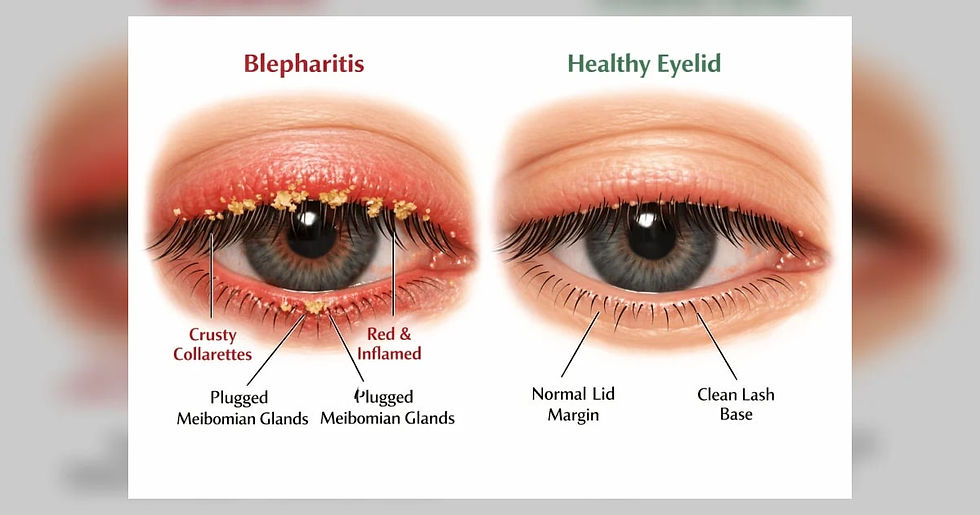
One of the main ways makeup can worsen dry eyes is by interfering with the meibomian glands. These tiny glands line the edges of the eyelids and produce an oily substance that helps prevent tears from evaporating too quickly. When these glands become blocked or do not function properly, the tear film may become unstable, increasing dryness, irritation, and discomfort. Applying eyeliner directly along the inner eyelid, particularly on the waterline, can introduce makeup particles, oils, and other cosmetic ingredients near the openings of these glands, potentially obstructing the normal release of oil. With repeated use, makeup residue and ongoing inflammation may contribute to persistent blockages and impaired gland function. When the glands remain obstructed for extended periods, they may undergo structural changes, including meibomian gland atrophy, in which the gland tissue shrinks or is lost. Unlike a temporary blockage, gland atrophy can represent permanent damage, and lost gland tissue generally cannot regenerate. Although not every blockage leads to atrophy, prolonged gland dysfunction may increase the risk of lasting damage. This is why proper eyelid hygiene, careful makeup removal, and avoiding eyeliner directly on the waterline are important steps in protecting meibomian gland health, particularly for individuals who already experience dry eye symptoms.

Mascara, eyeliner, and eyeshadow can also release tiny particles that enter the eyes throughout the day. These particles may irritate the eye's delicate surface, especially when makeup flakes, smudges, or mixes with tears. Waterproof and long-wearing formulas can be especially challenging for people with sensitive eyes because they may take more effort to remove. Additionally, fragrances, preservatives, and other ingredients in certain cosmetic products can trigger irritation or allergic reactions. This may cause redness, itching, swelling, and watery eyes, which can sometimes be mistaken for ordinary dryness.
Another important factor is how you apply and remove makeup. Sharing makeup products, using old mascara, or applying cosmetics with unclean brushes can introduce bacteria and other contaminants near the eyes. This may increase the possibility of irritation or infection. Rubbing the eyes throughout the day to relieve discomfort can make matters worse by further irritating the eyelids and eye surface. Choosing products labeled ophthalmologist-tested or suitable for sensitive eyes may help reduce irritation, though no product is guaranteed to suit everyone.
Perhaps one of the most overlooked habits in eye care is going to bed without removing makeup. After a long day, it can be tempting to skip cleansing and fall asleep with eye makeup still on. However, leaving makeup on overnight lets residue, oil, and debris sit on the eyelids for far too many hours. This prolonged exposure can irritate the eye and may worsen existing dry eye symptoms.
Sleeping in eye makeup can also increase the risk of eyelid inflammation and other eye problems. Makeup residue can accumulate around the lash line, creating an environment where debris and microorganisms can build up. Mascara left on overnight can stiffen and weaken lashes, and rubbing your eyes during sleep may let particles scratch or irritate the eye's surface. Regularly removing makeup before bed is therefore not simply a skincare habit; it is an important part of maintaining healthy eyelids and comfortable eyes.

Additionally, wearing eye makeup overnight may contribute to the development of a chalazion, a small bump that forms on the eyelid when the oil glands become blocked. When oil becomes trapped inside a gland, it can trigger inflammation and lead to a swollen bump that may take several weeks to resolve. Although leaving makeup on does not directly cause every chalazion, consistently removing eye makeup before bed can reduce buildup around the glands and help prevent inflammation.

A gentle nighttime cleansing routine may make a meaningful difference. Begin by washing your hands, then use a gentle, fragrance-free makeup remover or cleanser suitable for the eye area. Avoid harsh scrubbing or pulling on the eyelids, and use a clean cotton pad or soft cloth to remove makeup carefully. If you wear contact lenses, remove them according to your eye care professional’s instructions and before using products that could contaminate them. Clean makeup brushes regularly, replace mascara as the manufacturer recommends, and avoid sharing eye cosmetics. If your eyes are prone to dryness, consider limiting waterline eyeliner and choosing easily removable, fragrance-free products.
Ultimately, makeup doesn't have to mean sacrificing eye comfort. Paying attention to product ingredients, application techniques, and daily cleansing habits can help reduce unnecessary irritation. Most importantly, never underestimate the value of removing makeup before bed. A few minutes spent cleansing your face and eyelids each night can help lessen exposure to cosmetic residue and support healthier eyes. If dryness, redness, pain, light sensitivity, or blurred vision persists, consult an eye care professional to identify the cause and determine the most appropriate treatment. Beautiful eyes begin with healthy eyes, and protecting them should always be part of your beauty routine.


Comments