
A Drop of Relief with Therapeutic Dry Eye Drops

Dry eye disease affects millions of people and is much more than an occasional nuisance. While
many people experience temporary dryness after spending long hours in front of a screen or in dry, windy conditions, chronic dry eye disease is a medical condition that can greatly affect both comfort and vision. Usual symptoms include burning, stinging, redness, a gritty sensation, blurred vision, and excessive tearing. Although over-the-counter artificial tears can provide temporary relief, they often fail to address the underlying cause of the condition, as they are intended to relieve symptoms rather than treat the disease itself. For many patients, therapeutic prescription eye drops offer a more effective, long-term solution.
Therapeutic eye drops differ from artificial tears because they target the underlying biological processes that contribute to dry eye disease. Rather than acting solely as lubricants, these prescription medications work to reduce inflammation, stimulate natural tear production, improve tear quality, and restore the overall health of the ocular surface. By treating the source of the problem instead of masking its symptoms, therapeutic eye drops can help patients experience more consistent comfort and healthier vision over time.

Today, several categories of prescription therapies are available, allowing eye care providers to customize treatment to each patient's specific type of dry eye disease.
One of the most common treatment approaches involves anti-inflammatory eye drops, which reduce inflammation on the surface of the eye that interferes with healthy tear production. During periods of significant irritation or dry eye flare-ups, corticosteroid eye drops such as Lotemax and Eysuvis may be prescribed for short-term use to quickly reduce redness, irritation, and inflammation. Because long-term steroid use may increase the risk of side effects, these medications are typically used for a limited period while longer-term treatments begin to take effect.
For patients with chronic inflammation, immunomodulating eye drops help interrupt the
inflammatory cycle that damages the ocular surface and tear-producing glands. These medications work by blocking inflammatory signals that contribute to dry eye disease, allowing the eyes to produce healthier tears over time. Examples include Xiidra (lifitegrast) and cyclosporine medications such as Restasis and Vevye. While these therapies are highly effective for many patients, they usually require several weeks or even a few months of consistent use before their full benefits become apparent.
Some newer treatments focus on increasing the body's own tear production rather than simply reducing inflammation. Tear-stimulating therapies activate the eye's natural tear reflex to promote better tear production. Tryptyr (acoltremon ophthalmic solution) works by stimulating cool-sensing nerve receptors on the eye's surface, activating the trigeminal nerve pathway to increase natural tear production. Another option is varenicline nasal spray like Tyrvaya, which stimulates nerves inside the nose to trigger tear production through a neurostimulation pathway. These treatments help restore the eye's natural tear-producing system instead of simply replacing tears with artificial lubrication.
Not all dry eye is caused by inadequate tear production. Many patients have evaporative dry eye, in which tears evaporate too quickly due to problems with the tear film's oily layer. Anti-evaporative eye drops, such as Miebo, are designed specifically to reduce tear evaporation by supporting the eye's natural lipid layer. By creating a protective barrier over the tear film, these medications help reduce moisture loss and improve comfort throughout the day.

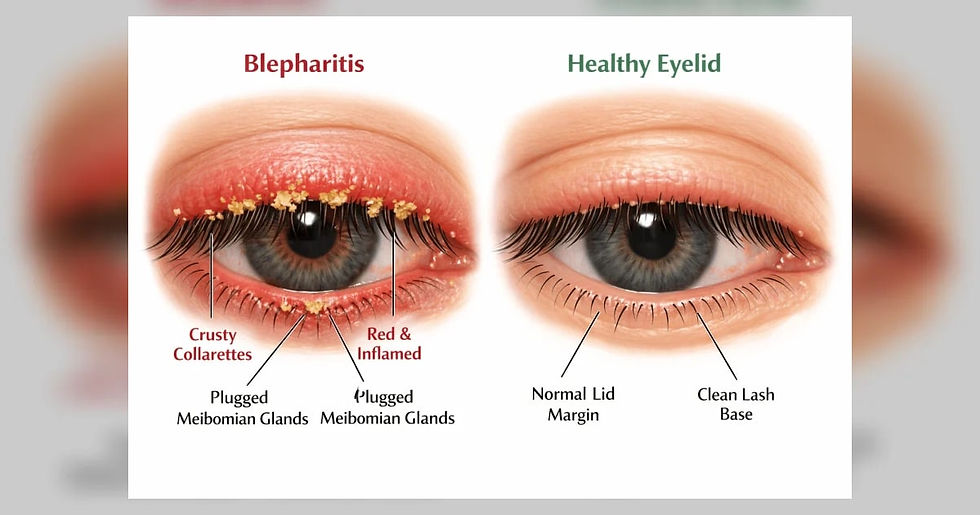
In some cases, dry eye symptoms are linked to conditions affecting the eyelids rather than the tear glands themselves. Antiparasitic eye drops are used to treat Demodex blepharitis, a condition caused by microscopic Demodex mites that live in the eyelash follicles and oil glands. These mites can contribute to inflammation, itching, redness, crusting, and debris along the eyelid margins, all of which can worsen dry eye symptoms. Xdemvy (lotilaner ophthalmic solution) targets the underlying cause by disrupting the mites' nervous systems, eliminating the parasites and helping reduce inflammation associated with the infestation.
Because dry eye disease is a chronic condition, successful treatment often requires patience and consistency. Unlike artificial tears, therapeutic eye drops are not designed to provide immediate relief. Instead, they gradually improve the health of the ocular surface by reducing inflammation, restoring natural tear production, improving tear stability, or managing underlying conditions contributing to dry eye. Some patients experience mild burning or stinging when beginning certain prescription medications, but these sensations are generally temporary and tend to lessen with continued use. Following the prescribed treatment plan is important, even if improvement is gradual, since stopping treatment too soon may prevent patients from receiving the full benefit of the medication.
Prescription eye drops are often most effective when combined with other dry eye therapies. Many eye care providers recommend a comprehensive treatment approach that may include preservative-free artificial tears for additional lubrication, warm compresses to improve meibomian gland function, daily eyelid hygiene to reduce inflammation along the eyelid margins, nutritional support, or in-office procedures designed to treat meibomian gland dysfunction. Lifestyle modifications, such as staying well hydrated, taking regular breaks from digital screens, increasing indoor humidity, and wearing protective eyewear in windy environments, can also help minimize symptoms and support healthier tear function.
Since no two cases of dry eye disease are exactly alike, treatment should always be individualized. A comprehensive eye examination allows an eye care provider to determine the specific cause of a patient's symptoms and recommend the most appropriate combination of therapies. Early diagnosis and treatment not only improve comfort but may also help prevent damage to the surface of the eye and reduce the risk of long-term complications.


Comments