
Perimenopause and Dry Eyes: Understanding the Connection
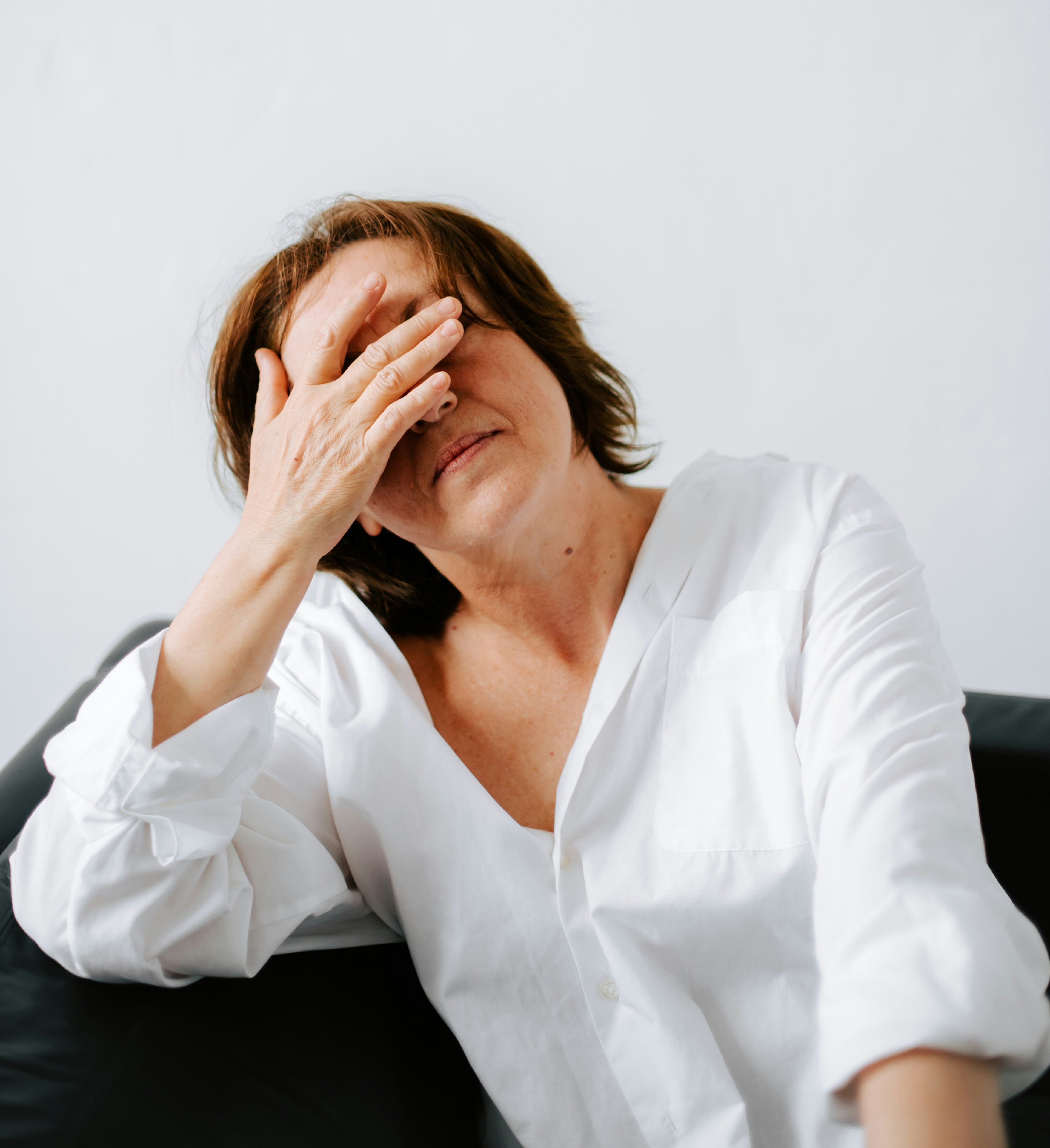
When women think about the symptoms of perimenopause, hot flashes, night sweats, and mood changes are often the first things that come to mind. However, the hormonal changes that occur during this stage of life can affect much more than the reproductive system. For many women, perimenopause can also bring unexpected changes to their eyes, including dryness and increased sensitivity.

Dry eye disease is characterized by the eyes not producing enough tears or the tears evaporating too quickly. Although dry eye disease is quite common and may seem relatively minor, it can become frustrating and uncomfortable, affecting everyday activities such as reading, computer work, and driving.
The eyes depend on a healthy tear film to remain comfortable and function properly. Tears provide lubrication, help keep the eye's surface smooth, and protect the eye from irritants and infection. Hormonal fluctuations during perimenopause may affect the production and quality of the tear film, leading to symptoms of dry eye disease.
Perimenopause, also known as the menopause transition, is the period leading up to menopause when the body begins to experience changes in reproductive hormone levels, particularly estrogen and progesterone. It can begin several years before menopause and may last as long. Hormone levels can fluctuate considerably during this time, which is why women can experience a wide range of symptoms that may change from day to day or month to month. While hot flashes and changes in menstrual cycles are well-known symptoms, less commonly discussed changes, including dry eyes, can also occur.
Recent studies show that about 53% of premenopausal women have dry eye disease. The rate goes up to around 57% for women over 52, according to the Menopause Society (Risk of Dry Eye Disease Increases During Menopause Transition | The Menopause Society).
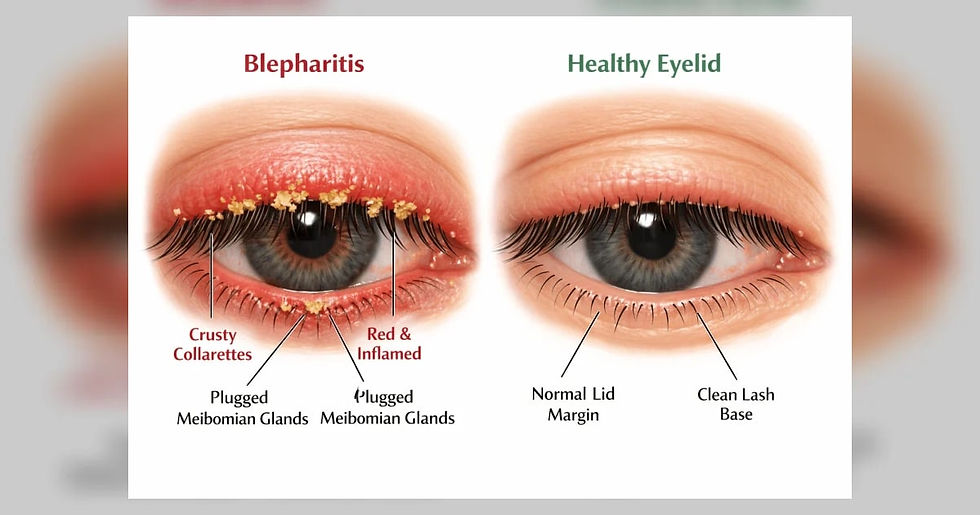
Hormones affect many parts of our health, not just reproduction. They help control sleep, energy, heart rate, metabolism, mood, bone and muscle health, and even our eyes. During perimenopause, levels of estrogen, progesterone, and androgens start to drop. The body stops making progesterone once a woman's periods stop, and estrogen and androgens, like testosterone, also decrease. These changes can affect your eyes. Tears may dry up faster, and the small oil glands around your eyes, called meibomian glands, may make less oil. This oil helps keep tears from drying out too quickly. Without enough oil, your tears may not protect your eyes as well, making them feel dry, gritty, or irritated.

Hormone replacement therapy (HRT) might seem like an easy fix for hormone-related dry eyes, but the connection between HRT and eye health is more complicated. Research shows that HRT can actually raise the risk of dry eyes for some women. The Women’s Health Study, which followed over 25,000 postmenopausal women, found that those using HRT had a higher risk of developing dry eye than those who did not. Women taking only estrogen had a 69% higher risk, and each extra three years of HRT use increased the risk by about 15%. One reason may be that estrogen affects the meibomian glands in a complex way. Instead of always helping, estrogen can sometimes reduce the oil these glands make, which may explain why estrogen-only HRT is linked to a higher risk of dry eye than combined estrogen-progesterone therapy. More research is needed, but the main point is that HRT is not always a simple solution for dry eyes, and its effects can vary from woman to woman.
The good news is there are ways to manage dry-eye symptoms. Take regular breaks from screens and try to blink more often to keep your eyes moist. Avoid sitting right in front of fans or air-conditioning vents. If the air in your home is very dry, using a humidifier can help.
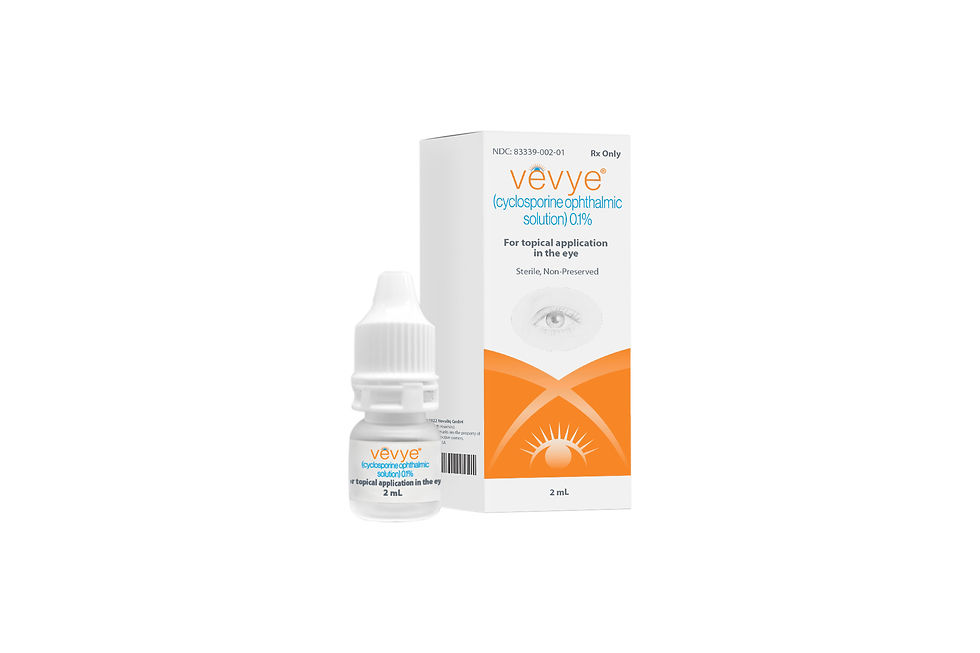
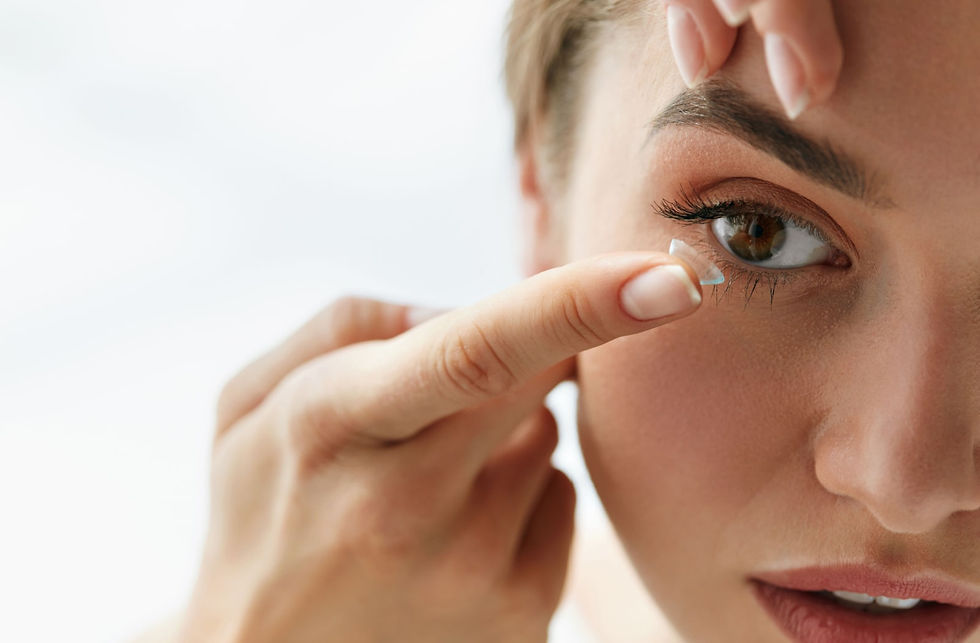
You can also use lubricating eye drops, available without a prescription, for temporary relief. There are different kinds of eye drops, so an eye-care professional can help you choose the best one for your symptoms, which may include a prescription immunomodulator drop, such as Vevye. If you wear contact lenses, talk to your optometrist about your symptoms. They may suggest a different type of lens or recommend wearing them less often to help you feel more comfortable.
Dry eyes can usually be managed, but ongoing symptoms should not be ignored. An optometrist or ophthalmologist can examine your eyes, assess your tear film, and determine whether dry eye is the cause.
With simple lifestyle changes, appropriate eye care, and professional guidance when necessary, many women can effectively manage dry-eye symptoms during perimenopause. Paying attention to changes in eye comfort and vision is an important part of looking after overall health during this stage of life. Most importantly, women experiencing dry eyes should know that they are not alone and that help is available. Recognizing the possible link between hormonal changes and eye health is an important first step toward maintaining comfortable, healthy eyes throughout the menopause transition.

Comments