
All Dried Out? Understanding Aqueous-Deficient Dry Eye

When your eyes feel dry, burning, gritty, or tired, it is easy to assume that you have dry eyes. However, dry eye disease is more complicated than that. For some people, the problem is not primarily that tears are disappearing too quickly, but that the eyes are not producing enough of the watery component of the tear film in the first place. This condition is known as aqueous-deficient dry eye (ADDE). Identifying the underlying cause of dry eye is an important part of finding the most effective treatment because not all cases of dry eye are the same.
Aqueous-deficient dry eye occurs when the lacrimal glands, which produce the watery, or aqueous, portion of tears, do not produce enough fluid to lubricate and protect the surface of the eye adequately. While aqueous deficiency and evaporative dry eye are distinct forms of dry eye disease, they often coexist. This means that a person may have both inadequate tear production and excessive tear evaporation, making it especially important to identify the causes contributing to their symptoms.
One of the most well-known causes of aqueous-deficient dry eye is Sjögren's disease, an autoimmune condition in which the immune system attacks the body's moisture-producing glands. When the lacrimal glands are affected, tear production can decrease significantly. However, Sjögren's is not the only cause of aqueous deficiency; aging can naturally reduce tear production, while certain medications—including some antihistamines, beta-blockers, and diuretics—may also reduce tear secretion. Additionally, a history of eye surgery, certain systemic diseases, inflammation, and problems affecting the nerves involved in tear production may also contribute to aqueous deficiency.
When the eyes do not produce enough aqueous tears, the tear film becomes less stable and can become more concentrated. This can contribute to inflammation and damage to the ocular surface. As a result, patients may experience more than simply a feeling of dryness. Burning, stinging, redness, a gritty or sandy sensation, light sensitivity, fluctuating or blurry vision, and the feeling that something is stuck in the eye are all common symptoms. Some people may even experience excessive watering. Although this may seem contradictory, watery eyes can sometimes occur when the eye is irritated and produces reflex tears that do not provide the same quality of lubrication as the normal tear film.
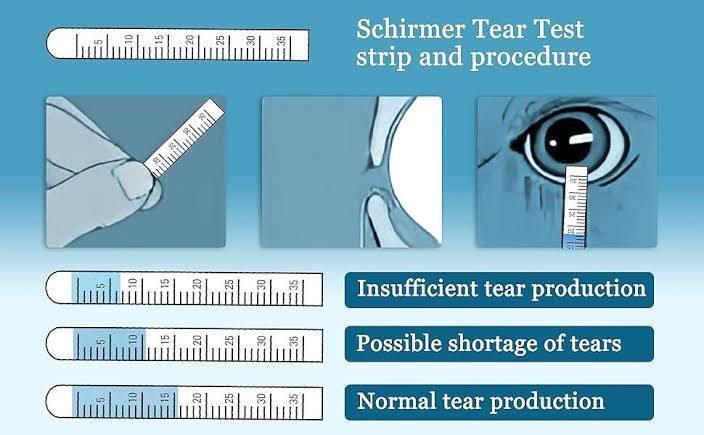
Diagnosing aqueous-deficient dry eye typically consists of a comprehensive examination of the ocular surface and tear film. An eye-care professional may perform a Schirmer test, which uses a small strip of paper placed under the lower eyelid to measure tear production over a set amount of time. Other tests may evaluate tear breakup time, tear osmolarity (the concentration of dissolved particles in a fluid), tear meniscus height, ocular surface staining, and the health of the cornea, conjunctiva, and eyelids. If the examination or medical history elicits concerns about an autoimmune condition such as Sjögren's disease, additional medical evaluation or laboratory testing may be recommended. Because aqueous deficiency and evaporative dry eye frequently overlap, determining the main contributors is important when developing an individualized treatment plan.
Treatment for aqueous-deficient dry eye depends on the severity of the condition and its cause. For milder cases, preservative-free artificial tears can provide additional lubrication and help protect the ocular surface. Thicker gels or ointments may provide longer-lasting relief, although they can temporarily blur vision. While artificial tears can make the eyes feel more comfortable, they do not necessarily address the underlying issue or reduced tear production.
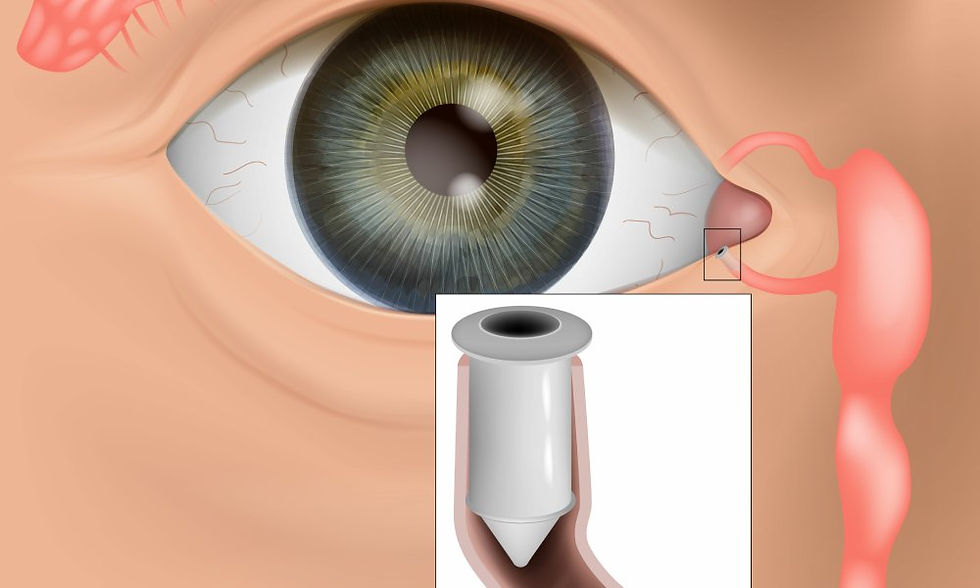
Another treatment available for people with inadequate tear volume is punctal occlusion. Punctal
plugs are tiny devices placed in the tear drainage openings, called puncta, to slow the drainage of tears away from the surface of the eye. By keeping tears on the eye longer, punctal plugs can increase the amount of moisture available to the ocular surface. Depending on the patient, temporary plugs may be used initially, while longer-lasting plugs or punctal cauterization may be considered in more persistent cases.
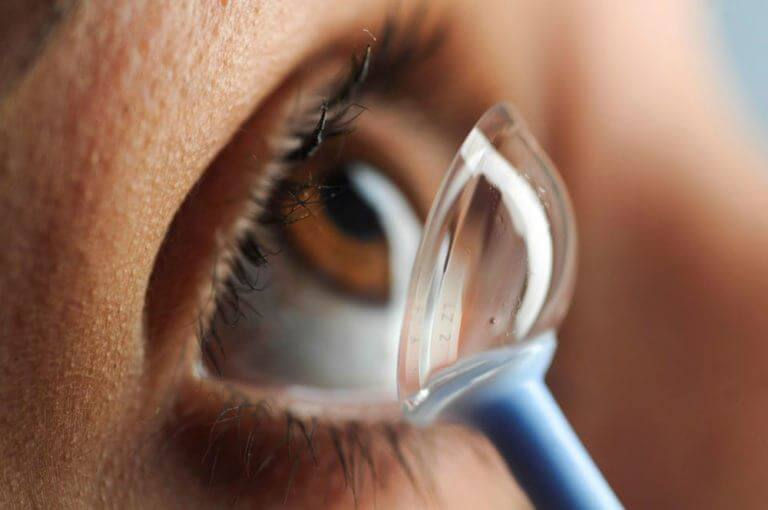
For patients with moderate-to-severe aqueous-deficient dry eye, additional therapies may be appropriate. Specialty scleral lenses can be an option for some patients. These larger lenses vault over the cornea and maintain a reservoir of fluid between the lens and the eye, helping to protect and continuously hydrate the ocular surface.
Ultimately, treating aqueous-deficient dry eye involves more than simply putting drops in the eyes whenever they feel dry. The goal is to understand why the eyes are not producing enough tears, address inflammation and any underlying medical conditions, preserve the available tears, and protect the ocular surface. Fortunately, advances in dry-eye treatment have given eye-care professionals a growing number of options, from prescription medications and punctal procedures to serum tears and specialty scleral lenses. If your eyes are consistently dry, irritated, or uncomfortable, a comprehensive dry-eye evaluation can help determine whether inadequate tear production is causing your symptoms and which treatment approach may be right for you.


Comments