
No More Eye-Ritation: Relief for Ocular Allergies
- lynseyk8
- Jun 27
- 3 min read
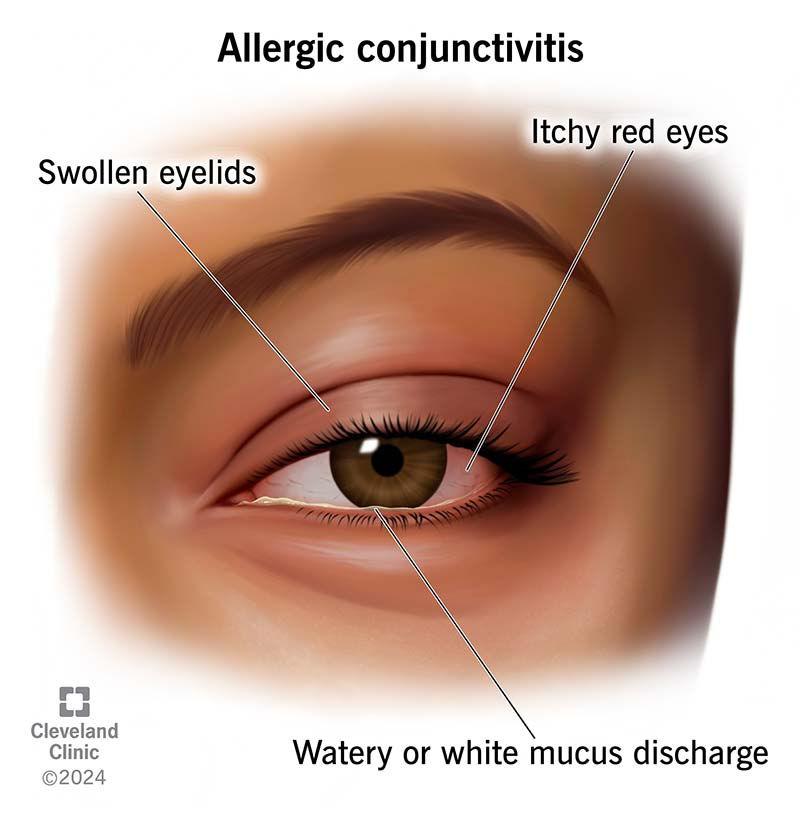
Uh Oh! It’s that time of year again! Ocular allergies, commonly known as eye allergies or allergic conjunctivitis, affect millions of people each year and can greatly affect comfort, productivity, and quality of life. For many individuals, symptoms such as itchy, red, watery eyes are a seasonal nuisance that accompanies pollen exposure, while others experience year-round discomfort triggered by indoor allergens. Although ocular allergies are generally not dangerous, they can be frustrating and persistent if left untreated. Understanding what causes ocular allergies and the available treatment options may help patients find lasting relief and maintain healthy eyes.
Ocular allergies arise when the body's immune system overreacts to substances that are commonly harmless. These substances, known as allergens, come into contact with the surface of the eye, triggering the release of histamine and other inflammatory chemicals. This immune response causes irritation and inflammation of the conjunctiva, the thin membrane that covers the white part of the eye and lines the inside of the eyelids. Unlike viral or bacterial eye infections, ocular allergies are not contagious, but they can produce symptoms that are equally bothersome.
A wide variety of allergens can contribute to ocular allergies. Seasonal pollen from trees, grasses, and weeds is among the most common causes, particularly during spring, summer, and fall, when pollen counts are elevated. Other frequent triggers include pet dander, dust mites, and mold spores, all of which may be present indoors year-round. Environmental irritants such as cigarette smoke, air pollution, perfumes, and chemical fumes can also aggravate symptoms or worsen existing allergies. Individuals who have a history of seasonal allergies, asthma, eczema, or other allergic conditions may be more likely to experience ocular allergy symptoms.

The symptoms of ocular allergies can range from mild irritation to significant discomfort. Itching is often considered the hallmark symptom and is frequently accompanied by redness, excessive tearing, burning, stinging, or a gritty sensation in the eyes. Some individuals may develop swollen eyelids, increased sensitivity to light, or a stringy mucus discharge. In many cases, eye symptoms occur alongside nasal allergy symptoms such as sneezing, congestion, and a runny nose. Because several other eye conditions can cause similar symptoms, it is important to seek professional evaluation if symptoms persist, are severe, or are associated with pain or changes in vision.
Treatment for ocular allergies usually starts with decreasing exposure to allergens whenever possible. Simple lifestyle adjustments can have a notable effect on symptom control. Keeping windows closed during periods of high pollen counts, using air filtration systems, washing hands frequently, and avoiding eye rubbing may help reduce allergen exposure. Individuals who spend significant time outdoors during allergy season may benefit from showering and changing clothes when they come indoors to remove pollen from their skin and hair.
Preservative-free artificial tears are often recommended as an initial treatment as they help dilute and flush allergens from the ocular surface while providing soothing lubrication. For individuals with more severe symptoms, antihistamine or mast cell stabilizer eye drops, such as Pataday, can effectively reduce itching and inflammation by targeting the allergic response directly. These medications are available in both over-the-counter and prescription forms and are frequently used to manage seasonal and perennial allergies.
In recent years, innovative treatment approaches have expanded the options available for patients
with ocular allergies. One such option is Rinsada, an in-office ocular surface irrigation treatment designed to remove allergens, inflammatory debris, and particulate matter from the eye. Unlike medications that target the body's inflammatory response, Rinsada physically cleanses the ocular surface and the areas beneath the eyelids, where allergens can accumulate. Using a specialized irrigating eyelid retractor system, the treatment is designed to access regions that may be difficult to reach with conventional eye drops alone.

By flushing away trapped allergens, Rinsada may help reduce ocular surface irritation and improve patient comfort. Because it is a non-pharmaceutical treatment, some eye care professionals incorporate it into a comprehensive management plan for patients with ocular allergies, dry eye disease, or other forms of ocular surface inflammation. While it may not replace traditional allergy medications when needed, it can serve as an additional tool to address the underlying presence of allergens on the eye's surface.
Ocular allergies are a common but manageable condition. With proper diagnosis and treatment, most patients can achieve significant symptom relief and enjoy improved eye comfort year-round. Whether by allergen avoidance, medicated eye drops, or newer therapies such as Rinsada, a variety of effective options are available. Consulting with an eye care professional will help determine the most appropriate treatment strategy based on an individual's symptoms, lifestyle, and overall ocular health.


Comments